I’ve noticed that over the course of a couple months, my priorities and interests have undergone a big shift. I thought before I was socially conscious, and I was, but only in my limited scope of living in a first world country.
Living here, I see the effects of all of the wasteful practices that took place back home.
Scattered among the streets there are starving feral dogs and cats. Juxtaposed next to the endless street meat; it makes you consider the lives of animals as a whole and has made me want to greatly reduce my meat consumption.
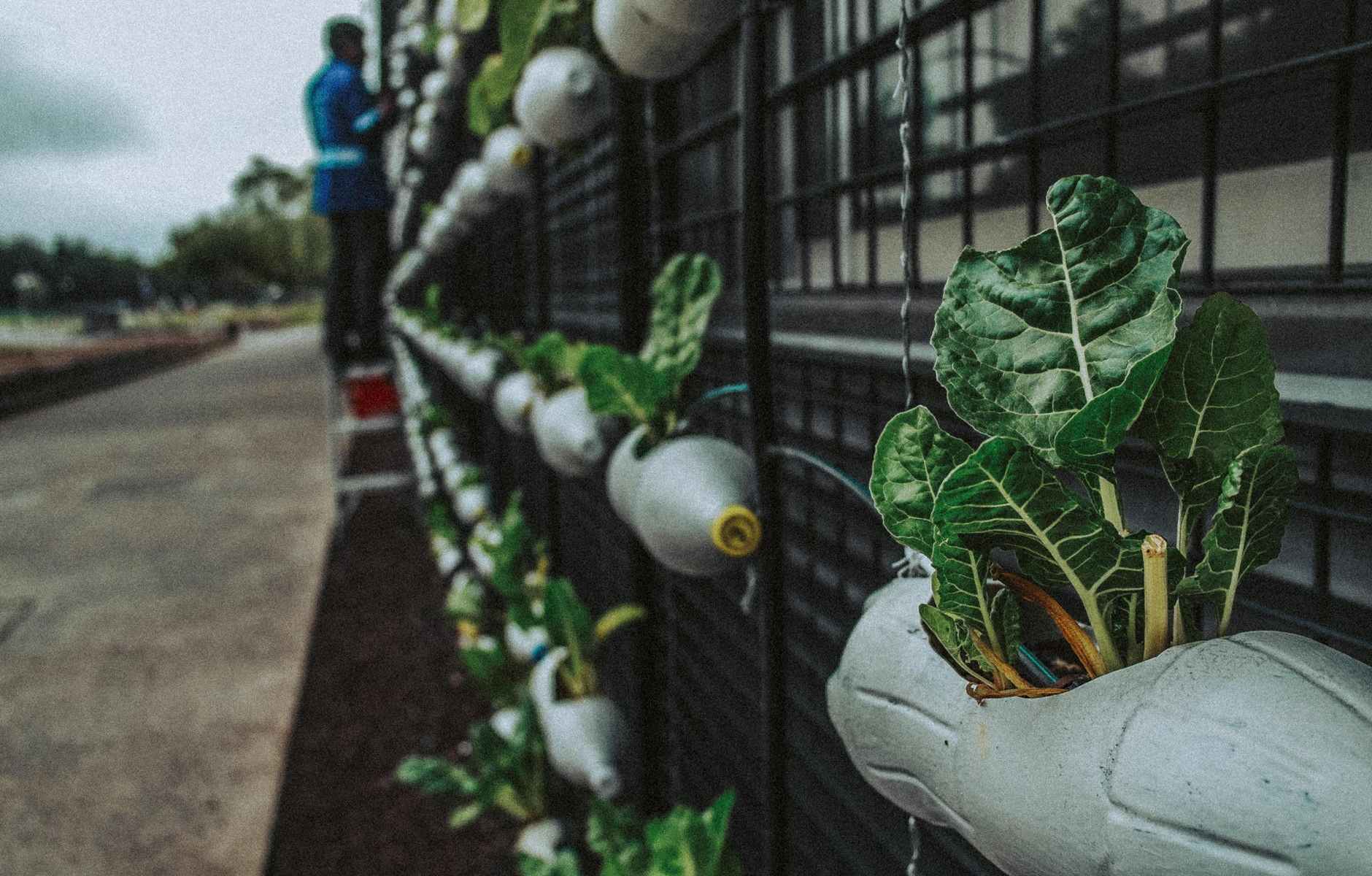
There is trash everywhere. And to get rid of it? It gets burned (obviously not great for the air quality). Big plastic bottles are the typical way to go if you want to stay hydrated; there are so many instances of single-use plastic. Recycling bins are few and far between.
I can see how it might be easy to become desensitized to this kind of stuff if you’ve never known anything different. I’m not trying to be yet another Westerner who comes to a brand new culture and acts as though I am some sort of savior, or that I have all the solutions.
In fact, I think in the West, our detachment to these realities is actually just as harmful as anything done here. If not moreso. It is easy to be separate from the problem when you don’t see these things taking place regularly. It’s easy to walk into the mall and buy something off the rack when you don’t see what had to go into making that item.
My only real solution is to change myself, my own practices, and spread the truth of what I’ve seen (on both sides) so other people might be inclined to do the same…
I’ve been inspired to change myself to become a more responsible member of society, by:
Living minimally.
A liberating feeling that came with moving to Thailand: my success is no longer chained to the things I fill my house with. In fact, having less is preferred just for logistical reasons (you know, in case I ever want to move somewhere else or travel home).
The markets are filled with everything you can imagine, and there are gigantic malls all over the place, but the feelings of desire for things I used to have are diminished.
Buying things in America often took the place of therapy for a hard day at work. Though I’ve never been overly extravagant in my purchases, every office job I had motivated me to want more. (Obviously, I was trying to fill a hole.) Status items were a big thing in the corporate world, it’s how you let people know you’re “doing well”. But are you, really?
I’ve been reading Osho’s The Rebel, and he compares eastern and western philosophy on the spiritual/material worlds. In the west, we almost entirely deny the spiritual. This of course is changing, but as a principle, we are much more focused on what is tangible. In the east, the physical matters much less. This can have a dark side: the physical lives of humans/animals are valued less overall, but the accumulation of things doesn’t matter as much either.
Obviously, it’s a balance. But taking the importance off of possessions is one way to start to become more balanced, more whole.
Being more conscious of my daily choices.
In the West, recycling is not only much more convenient, it’s also trendy. Of course, every effort to reduce our footprint makes a difference, but when I was living in the States, I didn’t see the effects of plastic waste, or waste in general, the way I do here.
That’s not because it doesn’t happen in the West. I’ve seen “green-washing” firsthand, in which a company will put on airs of being eco-conscious, while continuing with whatever destructive practices they deem most profitable (a good example that I’ve actually seen: having a bin marked “recycling” that just ends up directly in the trash at the end of the night.) We just have the luxury of being blissfully unaware if we so choose. Not the case here.
You can’t ignore it even if you try. If you’re coming from a culture that has the privilege of turning a blind eye to the realities of human consumption, and then you move somewhere that doesn’t have that luxury, it can be quite eye-opening.
Seeing the world I used to live in with new eyes.
I worked in an American clothing store during college, and one thing really stayed with me was the amount of perfectly good clothes that got thrown away. Clothes that were thrown in the dumpster and then never to be seen again. Where did they go? Seems like they came here. To clutter the streets, or to be sold under giant tents en masse (literally in mountain heaps), otherwise getting piled into a landfill.
That was one of the major experiences that encouraged me to thrift shop almost exclusively. But the more I researched fast fashion, the more I realized how dire the situation is. Did you know that the fashion industry is second to oil as the world’s biggest polluter? Globally, we now consume about 80 billion new pieces of clothing every year, and the majority (80%) of factory workers are women in Asia, mostly from a poor/rural backgrounds.
Not to mention, the average person throws out 70 pounds of clothes per year. It takes 2,000 gallons of water to produce a pair of jeans… just do the math.
I think there’s a collective mindset sometimes that making small changes on an individual level won’t really impact things. I can see this more if you’re living somewhere where it’s easy to tune out what’s wrong with the world. But, just look at the example of owning less, or choosing to only thrift when buying clothes.
I’ve been inspired by so many socially conscious people that have chosen to travel to/live in Thailand. I believe that change can be a ripple effect, and just by having the awareness of what’s going on, we can create a movement of responsible thinkers and consumers.

